


Saltwater Fly Fishing Guide
Five Easy-to-Forget Essentials for Better Days on the Flats
You remembered the rod, reel, flies, leader, and polarized sunglasses. But the small things anglers forget can decide whether a long saltwater day feels focused and exhilarating—or uncomfortable before lunch.
The most underrated saltwater fly fishing essentials are finger protection, a real insect plan, full-coverage sun clothing, practice with your actual setup, and enough water and easy fuel for the full day.
This guide turns five hard-earned lessons into a practical packing and preparation plan. Your guide’s destination-specific list should always take priority, especially when species, weather, boats, and local conditions change.
Why Trust This Saltwater Fly Fishing Guide?
These lessons began with real mistakes on real trips. Kinsey Ann Durham shared what she learned after saltwater fly fishing in Mexico’s Ascension Bay, Belize, and Louisiana’s Gulf Coast while preparing for another trip to Christmas Island.
That firsthand experience shapes the five essentials below. Current guidance from the CDC, American Academy of Dermatology, NIOSH, and Orvis supports the insect, sun, heat, and casting details.
The goal is not to pack everything. It is to remove the avoidable problems that steal your attention when the fish finally appear.
1. Strip Guards or Sport Tape
Saltwater fly fishing asks your line hand to work constantly. Repeated stripping can irritate your fingers, and a fast-running fish can turn loose fly line into a painful problem in seconds.
Strip guards or carefully applied sport tape add a simple layer between wet skin and moving line. Pack more than one guard, plus a small backup roll of tape in case something tears, slips, or disappears on the boat.
Protection Is Only Half the Job
Keep loose line organized and clear of feet, hardware, and anything it can wrap around. Never coil or trap fly line around a finger, wrist, ankle, or any other part of your body.
A guard can reduce friction, but it cannot fix poor line management. Build the habit before the fish arrives so your line hand, rod hand, and loose line all have a clear job.
2. A Complete Bug Plan
Some saltwater destinations have mosquitoes, biting midges, sand flies, or other insects that become especially active near mangroves, beaches, and lodging. The mistake is bringing one random spray and assuming the problem is solved.
The CDC recommends an EPA-registered insect repellent with an approved active ingredient such as DEET, picaridin, IR3535, oil of lemon eucalyptus, PMD, or 2-undecanone. Always follow the product label.
If you are also using sunscreen, the CDC advises applying sunscreen first and repellent second. Long sleeves, long pants, and covered ankles give you another practical barrier when insects are relentless.
Pack for Prevention and the Aftermath
Bring enough repellent for the entire trip, not just the first day. Consider pretreated clothing or gear, or use permethrin only as its label directs; it belongs on clothing and gear, never directly on skin.
Pack the itch-relief product you already know you can use safely, and ask a clinician or pharmacist if you are unsure. Comfort at dinner and sleep at night matter when you need to fish again before sunrise.
3. Full-Coverage Sun Clothing
Open water can mean hours of direct exposure with very little shade. Sunscreen is important, but clothing creates dependable coverage that does not disappear when the day gets busy.
The American Academy of Dermatology recommends lightweight long sleeves, pants, a wide-brimmed hat, UV-protective sunglasses, and broad-spectrum, water-resistant SPF 30 or higher on uncovered skin.
Reapply sunscreen every two hours and immediately after swimming or sweating, following the product label. Do not forget ears, lips, the back of your neck, hands, and any small gap between clothing pieces.
Dress for Sun and Insects at the Same Time
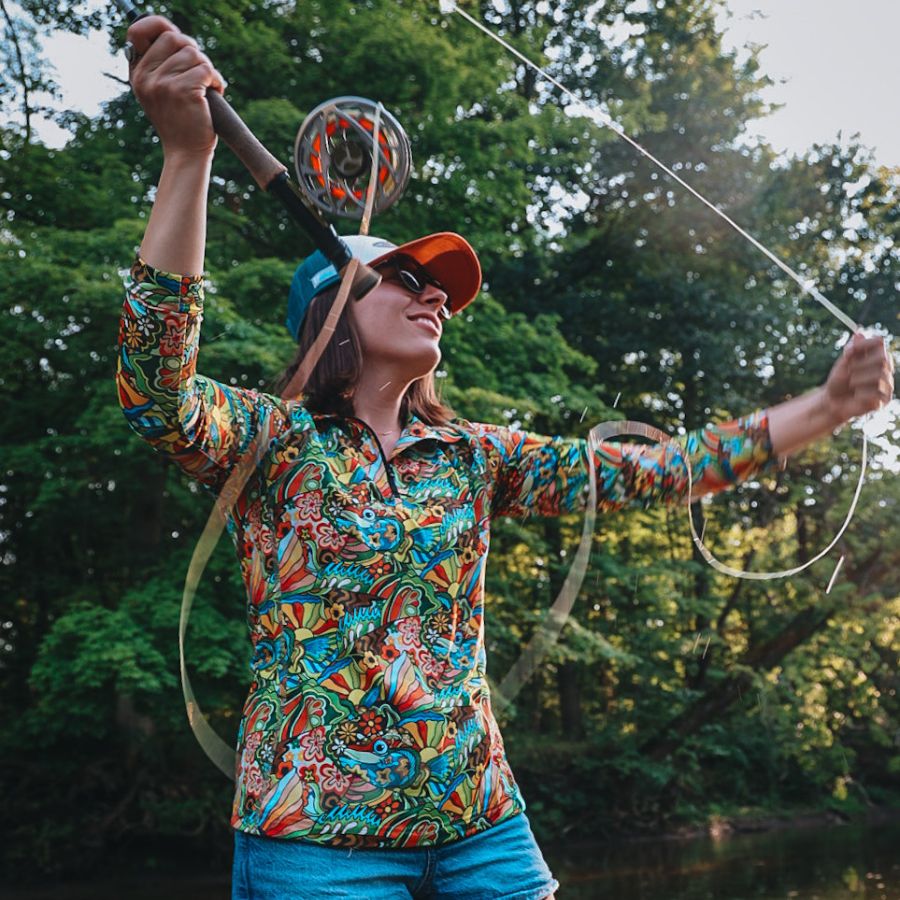
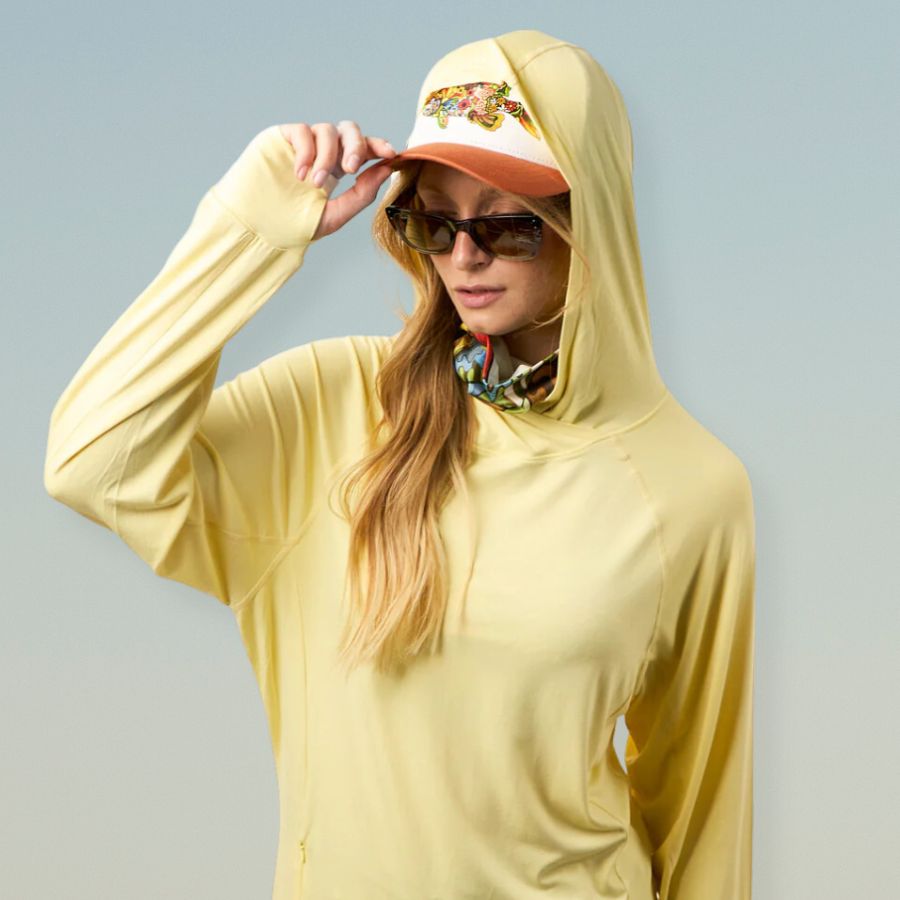
A lightweight hooded sunshirt, breathable pants or leggings, a neck tube, and a hat can simplify the plan. Those same pieces can also reduce exposed skin when bugs become active after fishing.
Choose layers that let you cast, crouch, climb in and out of a boat, and move without constant adjustment. Coverage only helps when you can comfortably keep it on.
4. Practice With Your Real Saltwater Setup
Calm-lawn practice has limits. A perfect cast with a light trout rod will not fully prepare you for a heavier saltwater setup, larger flies, wind, a moving boat, and a guide calling out a fish at eleven o’clock.
Practice with the rod, reel, line, and leader you will actually use. Replace the hook with yarn or another safe practice target, then work on delivering the fly accurately with only a few false casts.
Orvis recommends practicing saltwater casting drills in a yard, park, or pond; you do not need ocean access. Its saltwater casting lessons focus on the skills needed for larger, open environments.
Rehearse the Moment, Not Just the Motion
Make each drill feel like a real shot. Place loose line beside you, hold the practice fly safely, choose a target, and imagine the fish moving. Work from different angles and in wind so you learn when to tighten the loop or change direction.
Then rehearse keeping the rod pointed at the fish and setting with the line hand. Orvis explains the saltwater strip set and why automatically lifting the rod like a trout set can cost fish.
Pressure feels smaller when the sequence feels familiar. You may still be nervous when a school finally appears, but your hands will know what to do next.
5. Water, Electrolytes, and Easy Fuel
A dawn-to-afternoon day on a skiff can be physically draining. Heat, sun, repeated casting, excitement, and limited shade make it easy to realize too late that you have not been drinking or eating enough.
Bring more water than you expect to need and drink steadily instead of waiting until you feel depleted. Your guide or outfitter can help you estimate what the destination, boat, and fishing day require.
NIOSH heat guidance emphasizes frequent water intake during activity in the heat and notes that balanced electrolyte drinks can be useful when sweating continues for several hours.
Choose Food You Can Eat Without Stopping the Day
Pack familiar, easy-to-open food that handles heat and boat movement. Bars, nut-butter packets, crackers, dried fruit, or another compact option can help you refuel between shots without creating a mess.
Avoid making the first day of the trip the first time you try a new supplement, gel, or drink mix. Simple and familiar usually wins when your stomach, the heat, and the ocean are already negotiating.
The Easy-to-Forget Saltwater Packing Checklist
Hands and Line
Strip guards, backup sport tape, and a plan for keeping loose line clear.
Insects
EPA-registered repellent, full-coverage clothing, and familiar itch relief.
Sun
UPF layers, hat, sunglasses, SPF 30+ sunscreen, and SPF lip protection.
Practice
Your real setup, a hook-free practice fly, wind drills, and strip-set repetition.
Water and Fuel
Enough water for the full day, an electrolyte plan, and easy-to-eat food.
Destination Basics
Your guide’s packing list, required documents, medications, and travel essentials.
Run this checklist several days before departure. That leaves time to practice, replace missing gear, test clothing together, and ask your outfitter questions before you are standing at the dock.
Useful Fishe Picks for the Plan
These current Fishe best sellers connect directly to the overlooked essentials above: dependable coverage, comfortable lower-body movement, and an organized way to carry layers and day gear.

Radiant Redfish Solstice Hooded Sunshirt
A bold, lightweight coverage layer for long days in sun and wind.

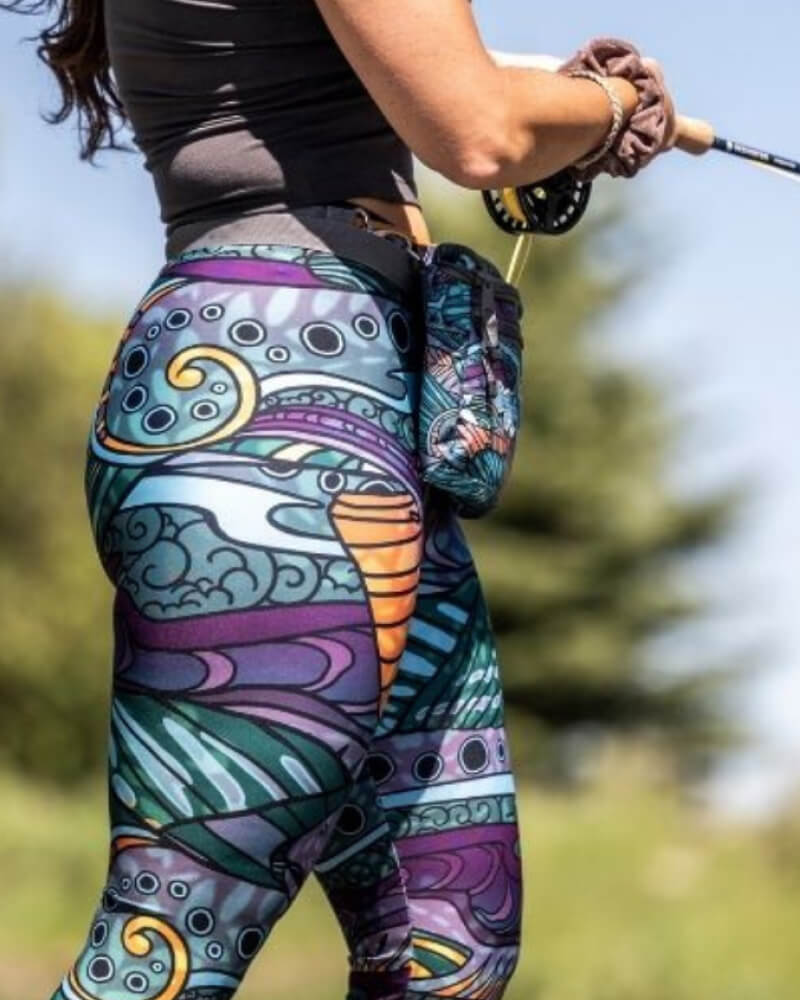
Charvana Pocket Leggings
Flexible full-length coverage with pockets for small on-the-go essentials.

Radiant Redfish Roll Tote Dry Bag
A colorful day bag for keeping spare layers and essentials together.
Frequently Asked Questions
What are the most overlooked saltwater fly fishing essentials?
Five commonly forgotten essentials are strip guards or sport tape, a destination-ready insect plan, full-coverage sun clothing, practice with your actual saltwater setup, and enough water plus easy fuel for the full day.
Do I really need strip guards for saltwater fly fishing?
They are a small, useful precaution for anglers who will strip line repeatedly. Sport tape can provide backup protection, but neither option replaces keeping loose line organized and away from fingers, feet, and boat hardware.
What should women wear for saltwater fly fishing?
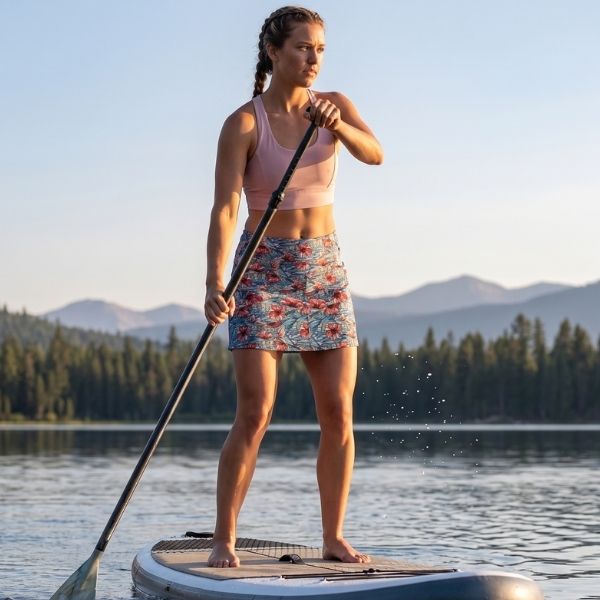
Choose lightweight long sleeves, breathable pants or leggings, a hat, UV-protective sunglasses, and comfortable layers that stay on while casting and moving. Apply broad-spectrum, water-resistant SPF 30 or higher to uncovered skin.
How should I practice before a saltwater fly fishing trip?
Use the actual rod, line, and leader you plan to fish. Practice accurate delivery with a hook-free fly, limited false casts, targets at different angles, wind from multiple directions, controlled loose line, and the strip-set motion.
What food and drinks should I bring on a saltwater fishing day?
Bring enough water for the full outing and familiar food that is easy to open and eat on a boat. For prolonged sweating, ask your guide about a balanced electrolyte drink and avoid testing unfamiliar supplements during the trip.
Final Note: Prepare for the Moment You Came For
Preparation creates room for the moment. A fish appears, the guide calls the direction, and you have seconds to make the cast. You cannot control the fish, but you can remove the distractions that keep you from being ready.
Protect, cover, practice, and fuel. Then step onto the bow ready to enjoy every fast, wild, heart-pounding second.
Related Reading

What to Wear Flats Fishing: A Women’s Guide
Build a practical flats outfit for sun, heat, saltwater, and all-day movement.

Dry Bag Backpack Guide
Learn what to look for when choosing a fishing backpack for wet environments.

Beauty and the Bonefish: The Story Behind the Pattern
Follow the flats-fishing memories and watercolor art behind this tropical Fishe print.
