



Naknek River Fishing: A Practical Guide to Bristol Bay’s Tidal Salmon Highway
The Naknek River is not one simple stretch of Alaska water. It is a lake-fed trout river at one end, a powerful tidal river at the other, and a migration route that carries salmon between Bristol Bay and the immense Naknek Lake system.
Every tide can create a different fishing day. An angler may be watching sockeye push upriver, searching current seams for rainbow trout, or timing a boat run around water that rises and falls dramatically near the river mouth.
This guide brings together current Alaska Department of Fish and Game information, NOAA tide data, National Park Service safety guidance, and the original Fishe fan story that inspired this article in 2015.
Planning note: Fishing regulations, emergency orders, run timing, and access conditions can change during the season. Check current official information and confirm details with a local guide before fishing.
Quick Links
Why the Naknek River Is Different
The Naknek River runs roughly between Naknek Lake and Bristol Bay, connecting an enormous freshwater system to the sea. Near King Salmon and Naknek, the river is broad, working, and influenced by tides.
Upstream, the lake acts like a giant reservoir. It moderates the river compared with a small rain-fed stream, while still sending powerful current through channels, drop-offs, gravel bars, and bends.
In practical terms, the Naknek behaves like two rivers joined together. The upper river is shaped by cold lake water and resident fish habitat. The lower river is shaped by saltwater tides, commercial and sport boat traffic, and migrating salmon.
The river should not be planned as one fishing spot. Anglers plan more successfully when they first decide which Naknek experience they want: salmon entering from Bristol Bay, resident trout near lake-fed structure, or a seasonal combination of both.

What Fish Live in the Naknek River?
The Naknek drainage supports a remarkable mix of migratory salmon and resident fish. The exact opportunity depends on the date, water, regulations, and section of river.
Sockeye Salmon
Sockeye are central to the Naknek story. They enter from Bristol Bay, move through the river, and continue toward spawning areas across the Naknek Lake system.
Their importance extends far beyond sport fishing. Sockeye support commercial fisheries, local food systems, wildlife, and the nutrient cycle that feeds the watershed after salmon return to spawn.
King Salmon
King, or Chinook, salmon also enter the drainage. They are powerful fish, but their management requires close attention. Limits, recording requirements, designated waters, and in-season changes can differ from other salmon rules.
Coho, Chum, and Pink Salmon
Coho—often called silvers—usually create later-season interest. Chum and pink salmon may also be present, although timing and abundance vary by year and run cycle.
Rainbow Trout, Arctic Char, and Dolly Varden
The Naknek is internationally known for large rainbow trout. Arctic char and Dolly Varden add another layer to the fishery, especially as salmon eggs and flesh become available later in the season.
Resident fish follow the salmon calendar. Before spawning activity intensifies, anglers may rely more on insects, baitfish imitations, and structure. As salmon spawn, eggs and drifting food can reorganize where trout and char feed.
When Is the Best Time to Fish the Naknek?
There is no single “best week” for every Naknek angler. The right window depends on the species, fishing style, crowd tolerance, weather preference, and whether the trip is focused on the lower river or the lake-fed upper reaches.
| General window | What may be happening | Planning emphasis |
|---|---|---|
| June | Early salmon opportunities and strong resident-fish potential | Cold-water layers, changing conditions, current king regulations |
| Late June–July | Sockeye enter Eastern Bristol Bay rivers, including the Naknek | Run timing, boat traffic, tide planning, current emergency orders |
| August | Salmon spawning activity begins influencing trout and char feeding | Egg patterns, fish handling, bear awareness, rain protection |
| Late August–September | Coho opportunities and highly food-focused resident fish | Cooler weather, shorter days, layered clothing, flexible plans |
These are planning windows, not guarantees. Bristol Bay runs move with water temperature, weather, ocean conditions, and the biological timing of each stock.
Ask exactly which section your guide fishes. Then ask what the previous several seasons looked like, and how they adjust when a run arrives earlier or later than expected.
A 2026 Naknek Run Snapshot
Public run data makes fishing reports more useful. Alaska Department of Fish and Game’s in-season summary reported that, through July 14, 2026, approximately 871,000 sockeye had escaped into the Naknek River.
Escapement goals add essential context. In the same update, ADF&G reported that Naknek, Alagnak, and Kvichak escapements were within their respective goal ranges. That matters because escapement is the portion of the run counted moving into freshwater, not simply the number harvested offshore or in a district.
A weekly report captures only one moment in the run. The July 1, 2026 Bristol Bay sport-fishing report noted sockeye beginning to appear in the Naknek, Kvichak, and other Eastern Bristol Bay rivers by late June.
At that point, resident fishing across Bristol Bay was reported from good to excellent overall, while Naknek rainbow fishing was described as fair for that specific week.
Why this snapshot is useful: It shows how quickly a river report can change. A July count helps explain that season, but it should never be presented as a permanent forecast for a future trip.
Before traveling, review the newest ADF&G Bristol Bay fishing report, commercial salmon in-season summary, and emergency-order page.
The Overlooked Naknek Variable: A 17-Foot Mean Tide Range

NOAA’s Naknek tidal benchmark lists a mean tide range of 17.24 feet and a diurnal range of 20.04 feet. That is a planning variable, not a small background detail.
Lower-river conditions can transform within hours. Tide changes can alter current speed, water depth, exposed mud, boat positioning, and how salmon move or pause. A place that looks straightforward at high water may feel entirely different several hours later.
Tidal influence weakens as anglers move upriver, but the lower river’s rhythm still affects access and travel. Experienced local operators plan departures and returns around that reality.
A tide table cannot replace local knowledge. It tells an angler when predicted water levels change at a station. It does not identify hidden shallows, safe channels, weather effects, or the right fishing location for that stage of tide.
Check NOAA’s current Naknek station information, then discuss it with the person operating the boat.
How Anglers Approach the Naknek
The Naknek rewards reading water more than memorizing a single fly or lure. Productive approaches depend on species, river section, water level, and regulation.
For Migrating Salmon
Salmon anglers often focus on travel lanes, softer edges beside stronger current, and areas where fish gather before continuing upriver. In tidal water, those lanes can shift as water direction and depth change.
Presentation usually matters more than chasing one magical pattern. The offering must reach the correct depth and move naturally through the lane without snagging fish or interfering with other anglers.
For Rainbow Trout and Char
Before salmon spawn, trout and char may respond to insects, sculpins, leeches, smolt, and other food sources. Later, salmon eggs and flesh become major seasonal food.
Look for depth transitions, seams, drop-offs, submerged structure, and places where current delivers food without forcing fish to spend unnecessary energy.
Why a Guide Adds More Than a Boat
Local judgment is part of the equipment. A capable Naknek guide interprets tides, run timing, weather, regulations, and fish behavior at the same time. That judgment is especially valuable for a first visit or a trip with only a few fishing days.
Ask how the guide handles fish, whether tackle is matched to the target species, how plans change in wind, and whether the day includes wading, boating, or both.
Naknek River Fishing Regulations in 2026
The 2026 king salmon rules are specific. On July 14, 2026, ADF&G announced updated Bristol Bay sport-fishing regulations. For king salmon 20 inches or longer in the Naknek River drainage, the limit is three per day and three in possession, with only one measuring 28 inches or longer.
Harvest recording is mandatory for larger kings. The drainage-wide annual limit is five king salmon 20 inches or longer, with only two measuring 28 inches or longer. Harvested kings 20 inches or longer must be recorded in ink on a valid license, harvest record card, or in the ADF&G mobile app.
For kings under 20 inches, the announced limit is 10 per day and 10 in possession, with no annual limit.
These 2026 rules can change in season. Different rules may govern specific waters, species, gear, seasons, and protected sections.
Before fishing, read the current Southwest Alaska regulation booklet and the official Bristol Bay emergency orders. Do not rely on an old blog, lodge page, or social post as the final authority.
How to Plan a Naknek River Fishing Trip
Choose the Experience Before the Lodge
Choose the fishery before choosing the lodge. Some operations emphasize lower-river salmon, while others focus on upper-river trout or combine fisheries depending on conditions. Ask for a realistic sample day rather than a list of every species ever caught in the region.
Understand the Access
King Salmon and Naknek are the primary communities associated with the lower river. Regional travel often involves a commercial flight to King Salmon, followed by road, boat, or lodge-arranged transportation.
Trips farther into the drainage may involve floatplanes or remote camps. Weather can delay any Alaska itinerary, so avoid building a tight same-day connection around the final fishing day.
Ask Better Questions
- Which exact section of the Naknek do you normally fish?
- How much of the day is boat fishing versus wading?
- Which species is the trip genuinely designed around?
- What happens when wind or tides limit the first plan?
- Are rods, waders, boots, flies, licenses, and fish processing included?
- How does the operation handle catch-and-release fish?
A detailed answer is more useful than a promise of “world-class fishing.” It reveals how the operator thinks and whether the trip matches the angler’s expectations.
What to Wear and Pack for the Naknek
Bristol Bay weather can move between cool rain, wind, bright sun, and damp boat rides. Pack a system that can change during the day rather than one heavy outfit.
- A moisture-managing base layer
- A warm fleece or thermal quarter-zip
- A waterproof, breathable shell
- Quality women’s waders and a secure wading belt
- Wading boots selected for local rules and terrain
- Polarized glasses and a brimmed hat
- Warm socks, gloves, and a dry change of clothes
- A waterproof dry bag for essentials
Keep cotton out of the core layering system. Once wet, it holds moisture and can become uncomfortable during a long, cool day.
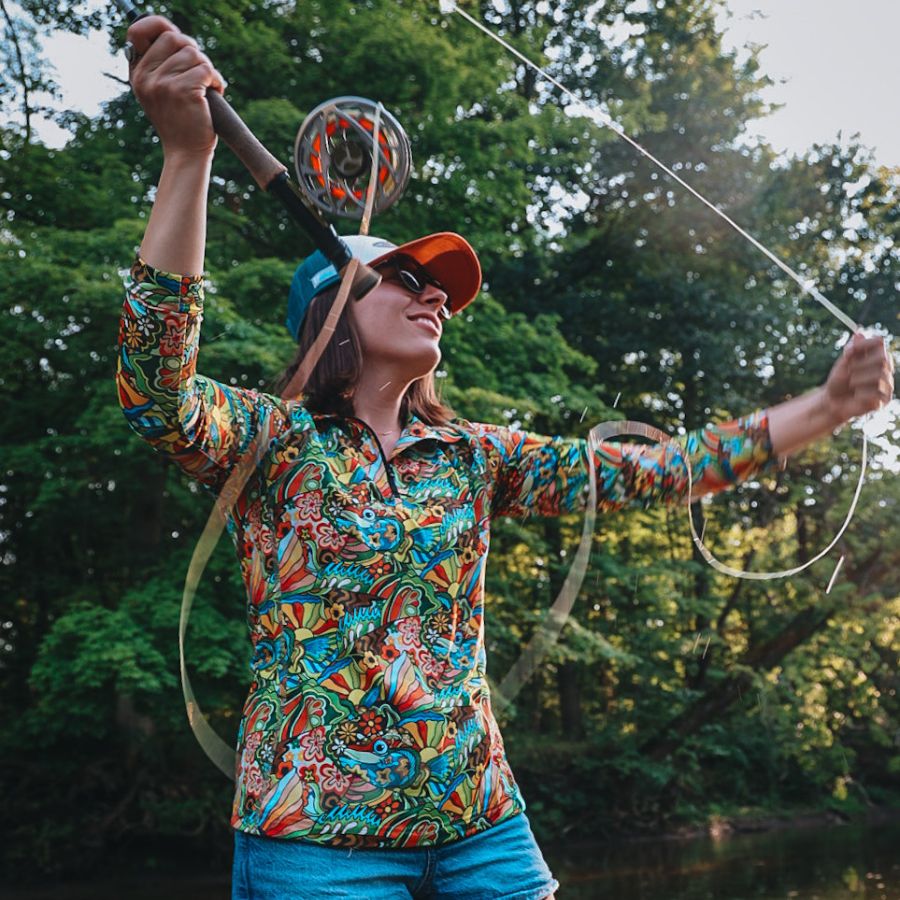
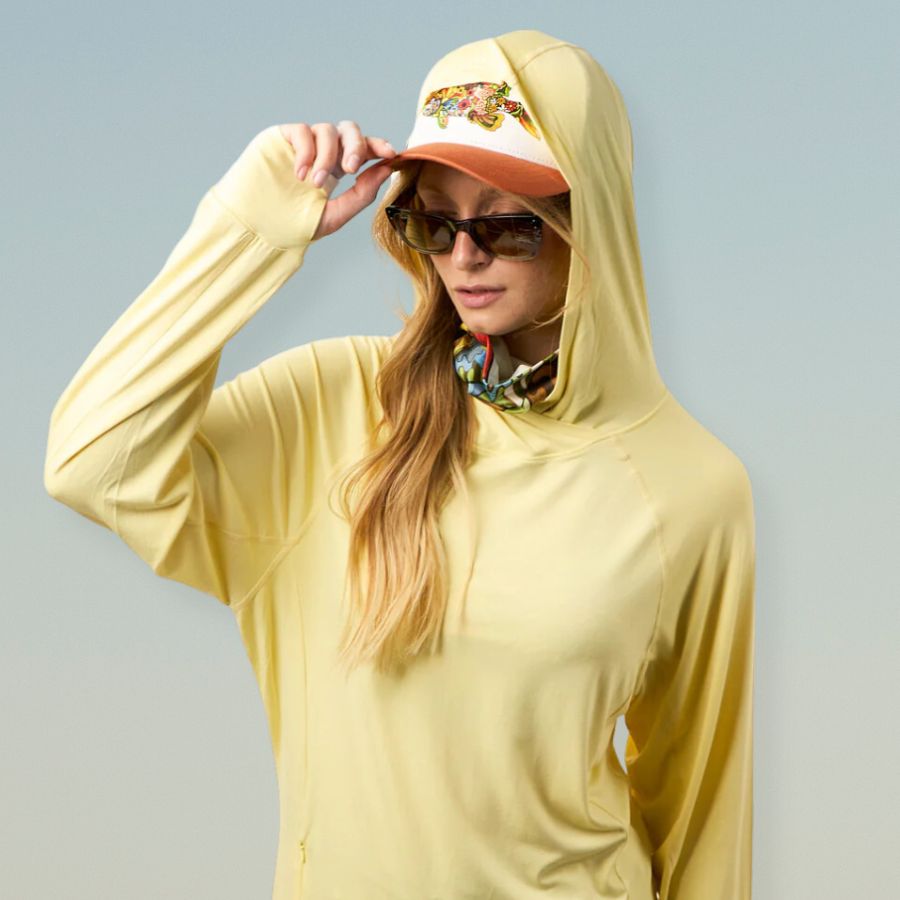
Browse Fishe’s women’s fishing clothes and gear for colorful layers, wading essentials, bags, and accessories made for days on the water.

Fishing in Bear Country
Salmon rivers attract bears. Even outside Katmai National Park boundaries, anglers in the Naknek region should arrive prepared for brown bear country and follow local guidance.
Fishing stops when a bear comes close. The National Park Service advises Katmai anglers to stop fishing when a bear is within 50 yards. No lure or fly should remain in the water, and an angler playing a fish should be prepared to break the line rather than allow a bear to acquire it.
A splashing fish can sound like food to a bear. Stay alert, avoid thick cover without making your presence known, keep gear close, store food correctly, and never crowd a bear’s travel route or feeding area.
Groups are generally safer than solo travelers, and a knowledgeable guide can help visitors recognize behavior they might otherwise misread. Review current Katmai bear-safety guidance before the trip.

The Naknek Is Also a Working River
The river is not an empty backdrop created for visiting anglers. Naknek and King Salmon are communities with deep relationships to salmon, subsistence, commercial fishing, guiding, transportation, and seasonal work.
The Naknek is a working river. During the Bristol Bay season, boats, processors, docks, aircraft, local families, and visitors all share the region. Respect private property, working waterfronts, cultural sites, local instructions, and the people whose lives are tied to the fishery.
Responsible fishing respects the living community. Spend locally when possible, follow fish-handling guidance, avoid waste, and bring curiosity without treating the community as scenery.
The Fishe Fan Photo That Started This Article

This page began with a Fishe fan photograph and a few joyful lines from Jim and Lyndel after three days on the Naknek.
“Great three days on the Naknek. Lyndel’s sporting Linda’s new line Fishe Wear. Lots of fun and too many pics to include!”
That message captured something a technical guide can miss. A fishing destination is measured in tides, runs, regulations, and species—but also in the memories people carry home.
We kept their original moment at the heart of this rebuild. It connects the practical information above to the Fishe community that has been wearing color into wild places since the brand’s earliest days.
Frequently Asked Questions About Naknek River Fishing
Where is the Naknek River?
The Naknek River is in the Bristol Bay region of Southwest Alaska. It connects Naknek Lake with Bristol Bay and passes near the communities of King Salmon and Naknek.
What is the Naknek River known for?
The river is known for major salmon migrations, especially sockeye, along with large rainbow trout, Arctic char, Dolly Varden, and opportunities for king and coho salmon.
When do sockeye salmon reach the Naknek River?
Sockeye generally begin appearing in Eastern Bristol Bay rivers in late June, with strong movement often occurring into July. Exact timing changes each year, so check current ADF&G reports.
Does the tide affect Naknek River fishing?
Yes. The lower river is strongly tidal. NOAA lists a 17.24-foot mean tide range at its Naknek benchmark, so water depth, current, access, and fish movement can change substantially.
Can beginners fish the Naknek River?
Yes, especially with a guide who can select suitable water and equipment. The river’s size, tides, weather, boat traffic, and wildlife make local instruction particularly valuable for first-time visitors.
Do I need an Alaska fishing license?
Yes. Anglers need the appropriate current Alaska sport-fishing license, and king salmon fishing may require a stamp and harvest recording. Confirm requirements directly with ADF&G.
Are there bears near the Naknek River?
Brown bears live throughout the region and are attracted to salmon streams. Follow guide instructions, carry an appropriate deterrent where lawful, keep food secured, and never allow a bear to obtain a hooked fish.
Should I book a guide for the Naknek?
A guide is strongly recommended for a first trip. Local knowledge helps with tides, navigation, regulations, seasonal fish behavior, bear awareness, and selecting the right section of river.
Related Reading

Painting Fishing Beads for Alaska Rainbow Trout
Learn why anglers match salmon egg colors and how current Alaska bead-fishing rules shape the approach.

Fishing With the Bears at Brooks
Explore another Bristol Bay fishing experience where salmon, anglers, and brown bears share the water.

What to Wear Summer Fishing in Alaska
Build a practical layering system for cool mornings, rain, wind, bright sun, and long days outside.
