


When Women Fly Podcast
What Fly Fishing Teaches Us About Focus, Patience, and Letting Go
A perfect cast is not the point. The point is learning to stay present long enough to notice the wind, read the water, trust your hands, and try again.
That is the heart of Fishe founder Linda Leary's conversation with host Sylvia Winter on the When Women Fly podcast. Their wide-ranging discussion moves from confidence and perfectionism to family memories, Alaska lodge life, entrepreneurship, art, and the growing community of women finding their place on the water.
For Linda, fly fishing is more than a sport. It is a practice in focus, patience, humility, and confidence—the kind that grows when you step beyond what feels familiar.
In This Story
Why Trust This Story
This article is built from Linda's own podcast conversation about decades spent fishing in Maine and Alaska, teaching women, hosting trips, developing gear, and building Fishe from the ground up. It keeps her practical, encouraging point of view at the center.
Precision Without the Pressure of Perfection
Linda has watched accomplished, driven women step into fly fishing and immediately place the same expectations on themselves that they carry into work. They want to understand every mechanic, make every movement correctly, and master the cast before they have given themselves permission to be new.
Fly fishing has a way of softening that instinct.
There are mechanics to learn. Timing matters. Presentation matters. But the water does not reward tension, and a day outside rarely follows a flawless plan. The wind changes. A fly catches in the brush. A fish refuses what seemed like the perfect offering.
“You don't have to have the perfect cast.”
Linda's lesson is not to abandon precision. It is to release the demand for perfection. Keep practicing. Feel the movement. Watch what happens. Adjust. Try again.
That process can be deeply freeing for anyone who spends most of her life feeling responsible for getting everything right.
When the Rest of the World Falls Quiet
To cast well, you have to pay attention to what is directly in front of you. Your focus narrows to the line, the current, the fly, and the subtle places where a fish might be holding.
That complete attention is part of what makes fly fishing restorative. The meeting, deadline, family logistics, and unfinished list do not disappear forever. For a while, though, they move out of the foreground.
Linda described seeing that change in people during fishing trips. She remembered a highly stressed executive arriving at an Alaska lodge looking depleted and gray. Within a few days outside, his color returned. His cheeks were rosy. His energy came back.
“It's good medicine.”
The benefit is not only mental. Time on the water involves walking, balancing, casting, observing, and moving through a landscape. Linda also spoke about organizations that use fly fishing to support women recovering from breast cancer and other cancers, including the opportunity to reconnect with their bodies and focus on something beyond treatment.
The catch is exciting. The deeper reward is often the feeling of being fully there.
A Childhood Shaped by Sunset, Water, and Quiet Casting
Linda's connection to fly fishing began in Maine with her father, a lifelong angler who had been fishing since he was a teenager.
After dinner, if Linda and her family wanted time with him, they went fishing. They joined him and her uncles on lakes and rivers and stayed until sunset.
One of Linda's clearest memories is almost cinematic: two or three boats resting in a small cove, her father and uncles casting as the light faded, their silhouettes moving against the evening sky. They spoke quietly across the water. Their casts looked graceful and unhurried.
Her father once landed a landlocked salmon on a fly that came within two ounces of Maine's state record. Decades later, when he was 90, he joined Linda to teach a fly-casting class in their hometown. He said he planned to sit and watch. Before long, he was on his feet showing everyone how it was done.
It is a beautiful reminder that fishing knowledge is often passed down through time together, not formal instruction alone.
Alaska Makes Presence Nonnegotiable
After moving from Maine to Alaska, Linda spent years in trucking and transportation. Fishing remained part of her life, especially through client trips to remote lodges, where she learned from guides and sharpened her skills through repetition.
Much of Alaska cannot be reached by road. A fishing day may begin with breakfast and waders, followed by a floatplane or boat ride to a remote stream. You fish all day, return to the lodge for dinner, and share stories about the biggest catch or the one that got away.
These trips strip life back to essentials: water, weather, movement, food, conversation, rest.
Linda and Sylvia also found a natural parallel between fly fishing and flying. Both require attention to wind, light, weather, distance, and small changes in the environment. Linda, who took flying lessons and ground school, described constantly observing: fish rising, riffles moving across the water, bears nearby, the direction of the wind, and where the line might land.
Focus and patience work together. You stay alert enough to respond, but patient enough not to force the outcome.
Women Have Always Fished. Now More Are Being Seen.
Linda is clear that women are not new to fishing. What has changed is visibility, access, community, and the number of ways women can enter the sport.
Women-led groups, instructors, media, rod makers, apparel companies, and industry programs are creating more welcoming paths onto the water. That matters because many beginners feel less intimidated when they can learn alongside other women or from someone who understands the questions they may be hesitant to ask.
Fishe's education and hosted-trip work grew from the same idea: experience, exploration, and encouragement. Some trips are for women; others welcome couples. The goal is not to create a test of who belongs. It is to help more people feel comfortable enough to start.
“At any age, you can learn.”
Linda's only real requirement is openness. You have to be willing to enter your learning zone, feel awkward for a while, and let improvement happen one cast at a time.
The Same Mindset Applies to Building a Business
Linda did not enter apparel with a traditional fashion background. She brought decades of leadership, logistics, customer service, planning, and problem-solving from the transportation industry, along with a creative instinct shaped partly by her mother, a tailor and seamstress.
When Fishe began in 2015, Linda knew the company had to move quickly from idea to something customers could actually buy. The team went from concept in February to products in production and selling by the end of July.
Her advice to aspiring entrepreneurs is grounded rather than romantic:
- Know why you believe the idea can move forward.
- Build a plan that gives the business a chance to be sustainable.
- Start making, testing, and learning.
- Surround yourself with people who have skills you do not.
Linda leaned on a network built over many years. People shared manufacturing contacts, design support, financial guidance, industry knowledge, and honest warnings about the pitfalls ahead.
You do not need to be the CFO, product manager, designer, and operations expert all at once. You do need enough clarity to keep the pieces moving together and enough humility to accept help.
Why Feeling Like Yourself Matters Outdoors
Linda compares fishing clothing to walking into a boardroom in an outfit that fits, functions, and helps you feel composed. What you wear does not create your ability, but comfort and confidence can change how freely you use it.
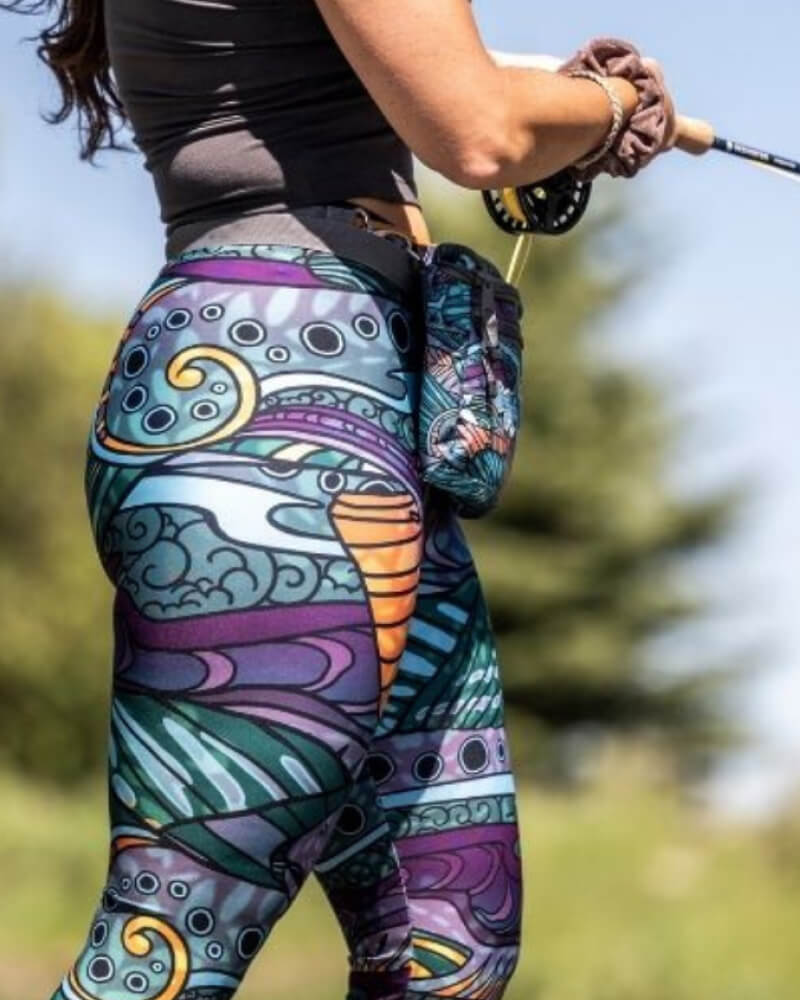
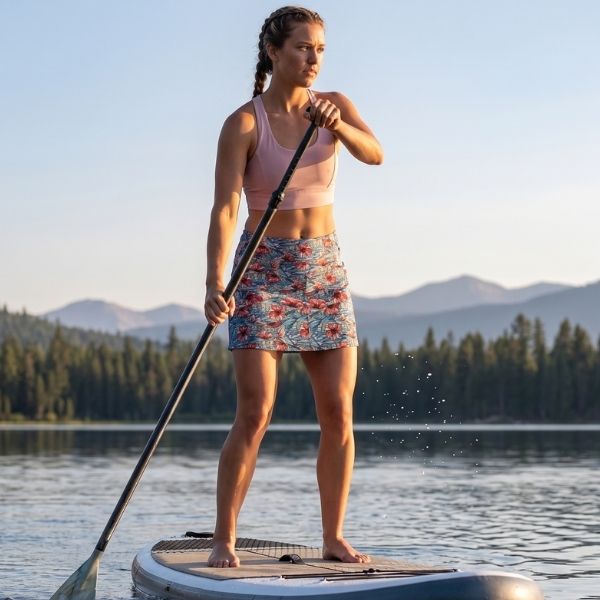
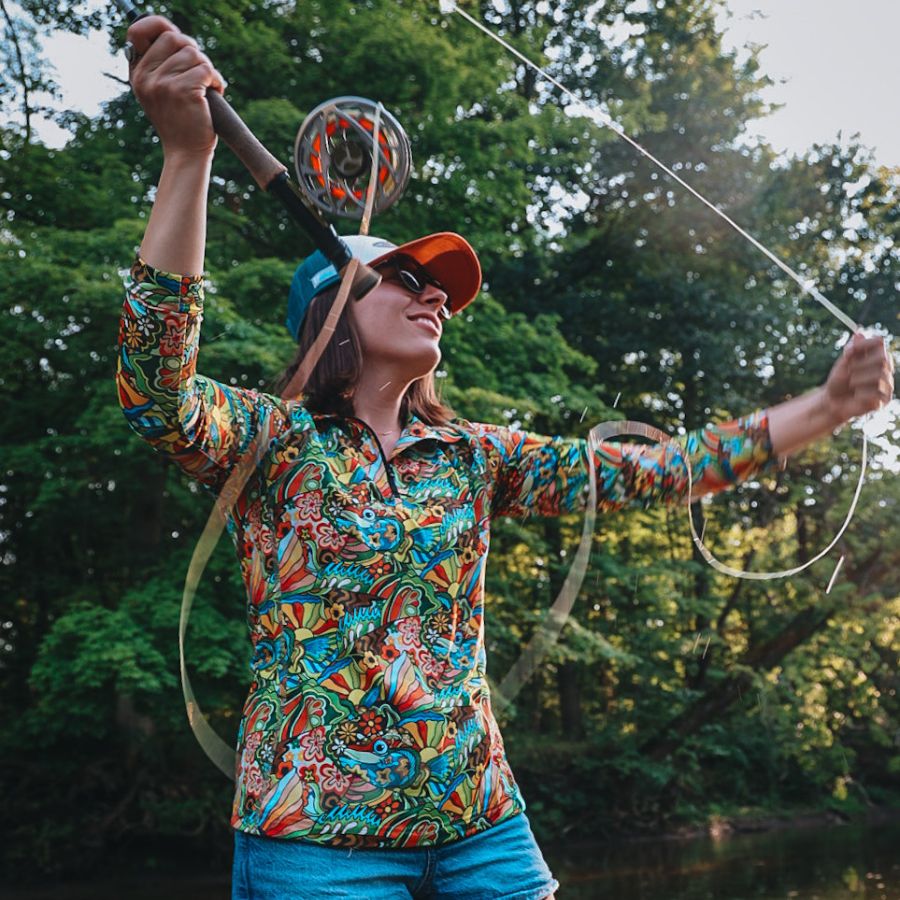
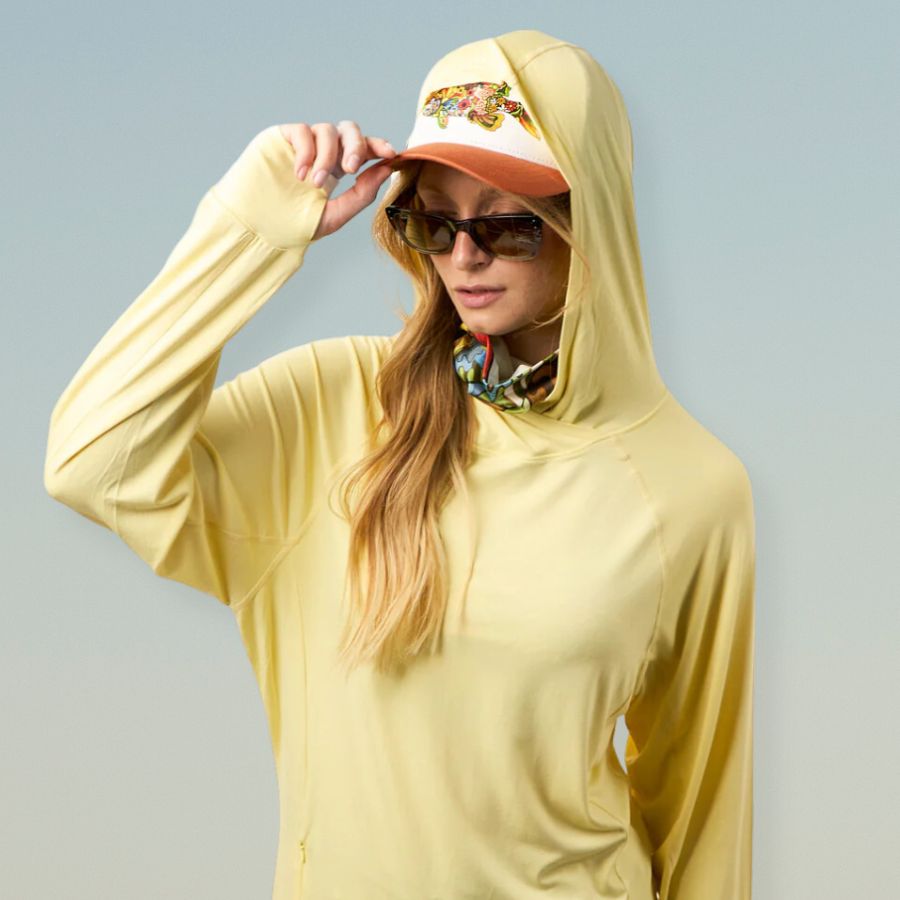
That belief shaped Fishe's approach to women's fishing leggings, fishing tops and sunshirts, bags, and accessories. The products need to work outside, but they can also give women room to express themselves.
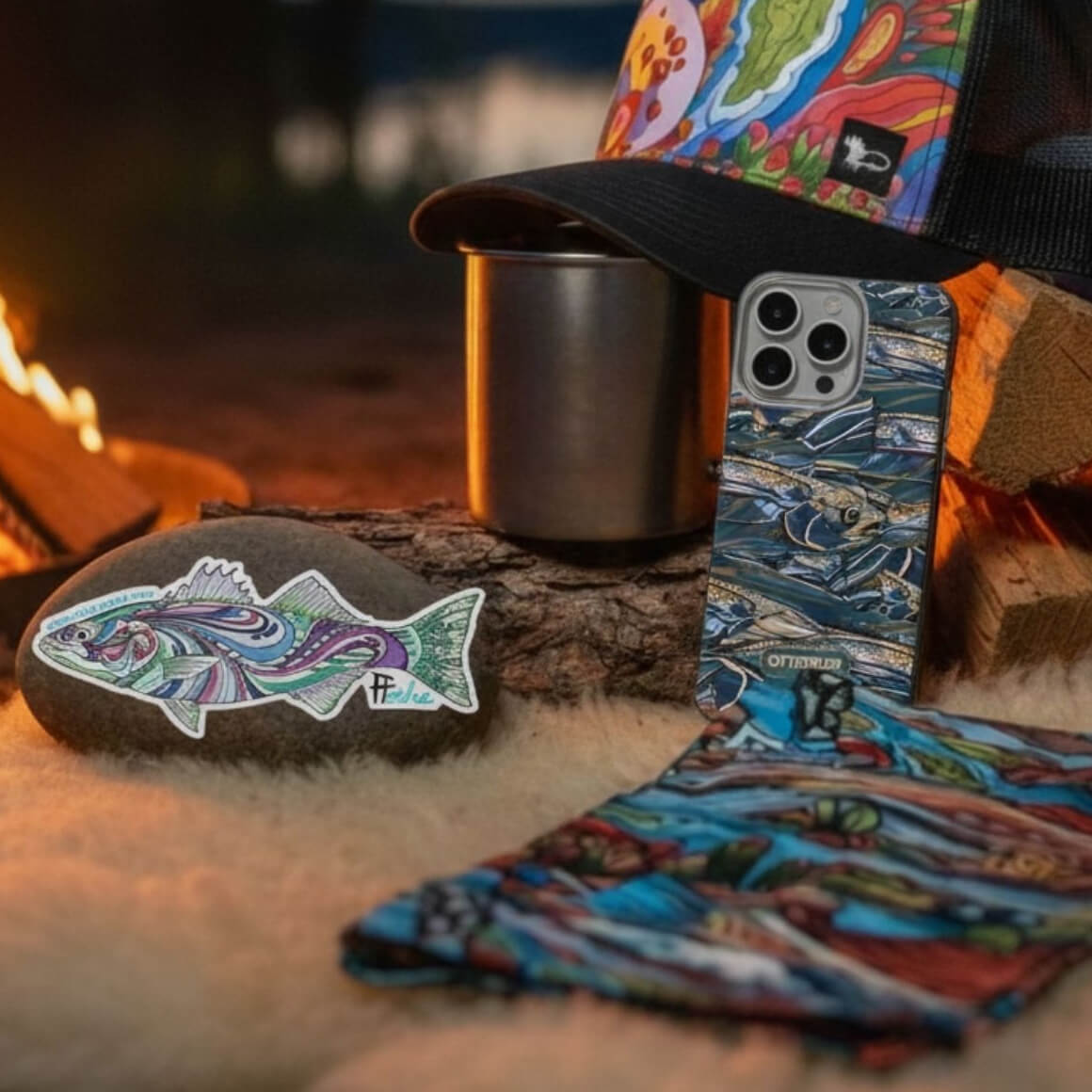
Fishe's prints begin with fish and art. Linda often gives an artist a fish image and a broad idea, then allows creative freedom. The artwork is later translated and abstracted across products, with attention to how the pattern moves and feels when worn.
One of Linda's favorite observations is the intergenerational reversal she sees in the store. Women in their 70s and 80s often reach for the boldest designs, while their daughters hesitate over brighter color. The mothers encourage them: try it, wear it, have fun.
That is the freedom Fishe celebrates: functional gear that does not ask women to disappear into the landscape.
Explore Fishing Leggings
Discover performance leggings created for movement, comfort, and life around the water.
Explore Fishing Tops
Find sunshirts and technical tops designed to help women feel ready for the day outside.
Explore Bags
Carry fishing, travel, and everyday gear in bags made for active outdoor use.
Conclusion: Keep Showing Up for the Next Cast
Fly fishing offers no guarantee that the next cast will be the one. That uncertainty is part of its value.
You practice the mechanics. You watch the conditions. You stay patient. You let go of the need to control every outcome, and then you show up for the next cast.
Linda's conversation is ultimately about more than fishing. It is about what can happen when women give themselves permission to learn, experiment, seek help, start later, and enter new spaces.
The reward may be a fish in the net. It may also be a quieter mind, a stronger sense of self, or a new community waiting at the water's edge.
Frequently Asked Questions
How can fly fishing build confidence?
Fly fishing asks beginners to practice unfamiliar movements, make adjustments, and keep trying without expecting instant perfection. Small improvements and first catches can build trust in your ability to learn.
Do you need a perfect cast to catch fish?
No. Good technique helps, but anglers work with changing wind, water, distance, and fish behavior. Linda encourages women to focus on progress, presentation, and patience instead of demanding a perfect cast every time.
Is it ever too late to learn fly fishing?
No. Linda believes people can learn at any age when they are open to instruction, willing to leave their comfort zone, and patient with the learning process.
Why can fly fishing feel restorative?
Casting and reading water require close attention to the present moment. Time outside also adds movement, natural surroundings, and a temporary break from the responsibilities competing for attention in daily life.
Why are women-only fly fishing trips helpful?
Some women feel more comfortable learning with female instructors and peers. A supportive group can make it easier to ask questions, try new skills, and enjoy the experience without feeling judged.
What makes Fishe clothing different?
Fishe combines outdoor function with fish-inspired artwork and expressive design. The goal is to create gear women can move in, rely on, and feel like themselves wearing.
What entrepreneurship lesson does Linda emphasize most?
Have a workable plan, begin testing the idea, and build a trusted network. Founders do not need every skill themselves, but they do need to bring the right people and resources together.
Related Reading

From Ice Roads to Fly Fishing
Read how Linda's Alaska trucking career and love of the water led to the creation of Fishe.

Fishing as Self Care for Women
Explore the connection between time on the water, presence, friendship, and restoration.

How Fishe Changed Women's Fishing Apparel
Discover the function, art, confidence, and community behind the Alaska-born brand.
Take the Pressure Off. Take the Next Cast.
Hear Linda and Sylvia's full conversation about focus, confidence, entrepreneurship, Alaska, and the freedom that can begin on the water.
