


Fly Fishing Journeys Podcast
How Linda Leary Turned Ice Roads Into an Alaska Fishing Brand
Before FisheWear became known for bold fishing apparel, Linda Leary spent nearly 30 years building a career in Alaska trucking. She helped lead a company featured on Ice Road Truckers, entertained clients on remote rivers, and learned how to move people, products, and ideas through demanding conditions.
Then she sold the trucking company, decided she was not ready to retire, and turned a recurring riverbank conversation into a new business: women deserved outdoor gear that fit, functioned, and felt like them.
Linda shared that origin story with host Rob Giannino on the Fly Fishing Journeys podcast, recorded live at The Fly Fishing Show in Denver. Their conversation traces the practical decisions, creative partnerships, and community relationships that helped an Alaska idea become FisheWear.
In This Story
This Is a Different Linda Leary Podcast Story
This episode is not the When Women Fly conversation about focus, patience, and letting go. This interview is from Fly Fishing Journeys with Rob Giannino and centers on Linda's founder journey: trucking, television, product development, women-first design, retail, partnerships, and the early growth of FisheWear.
Both conversations reveal Linda's belief in helping women feel confident outdoors, but they tell distinctly different stories. This one starts with Maine fishing memories, moves through Alaska's trucking industry, and follows the business decisions that brought FisheWear to life.
Why Trust This Story
This article was rebuilt from the full transcript of Linda's interview with Rob Giannino. The details below come from Linda's first-person account of her career, the launch of FisheWear, the development of early products, and the relationships that expanded the brand into education and guided fishing experiences.
From a Maine Fishing Family to an Alaska Career
Linda grew up in Maine and learned to love fishing through her family. After college, she moved to Alaska and entered the trucking industry, eventually helping lead Carlisle Trucking across facilities in Alaska, the Lower 48, and Canada.
Fishing remained part of her professional life. Linda often hosted clients on Alaska rivers and spent time with women leaders, female clients, and guides. Those trips gave her years of practical experience on the water and a close view of what women were actually wearing.
The setting mattered. In Alaska, outdoor clothing is not decoration. It has to handle weather, movement, travel, and long days far from home. Yet the choices available to women were often plain, poorly fitted, or designed for men first.
That gap stayed with Linda long before she had a company name or a manufacturing plan.
What Ice Road Truckers Taught Linda About Building a Brand
Linda's trucking company appeared in television projects that included Deadliest Jobs and Ice Road Truckers. The company initially hesitated because safety, client trust, and the reputation of the trucking industry mattered more than television exposure.
When the company agreed to participate, Linda and her partners stayed involved in the editing process. They wanted the program to represent their employees and industry responsibly, even as drivers became recognizable television personalities.
That experience reinforced lessons Linda later carried into FisheWear:
- Protect the trust behind the brand.
- Know the operational details, not only the public story.
- Give talented people room to do their jobs.
- Keep safety, customers, and long-term reputation ahead of attention.
Trucking and apparel look like unrelated industries. Linda saw the common ground: both require planning, suppliers, timelines, quality control, relationships, and the ability to move a product from an idea to the person who needs it.
The Business Idea Started Beside the Water
On fishing trips with female clients and guides, the same conversation kept surfacing. Women wanted clothing and gear that performed outdoors without forcing them into the standard palette of tan, brown, green, or a token splash of pink.
The problem was not that women needed a prettier version of men's gear. They needed products considered from the beginning around their bodies, movement, comfort, and confidence.
Linda remembered standing near Brooks Falls in Katmai National Park and talking with a friend about something as simple as a patterned wading belt. That kind of conversation became a seed: what would happen if fishing gear could be technical, expressive, and genuinely designed for women?
After selling the trucking company in 2015, Linda had the opening to find out.
From Manufacturing 101 to a Live Company in Eight Months
Linda understood how to build and operate a business, but she openly says she knew little about retail or manufacturing when she began. So she bought a manufacturing book, asked questions, and called people in her network who had experience she lacked.
She did not wait to become an expert in every discipline before moving. She learned enough to ask better questions, found people who could help, and applied the planning habits she had developed over decades in transportation.
Within roughly eight months, FisheWear was up and running. The speed did not come from skipping the hard parts. It came from breaking an unfamiliar industry into solvable pieces:
- Define the customer problem clearly.
- Learn the language of manufacturing.
- Find trustworthy technical and creative partners.
- Make products women would actually use.
- Launch, listen, and keep improving.
Linda's story is a useful reminder for founders: experience transfers when you understand the principles underneath it.
From the River to the Grocery Store
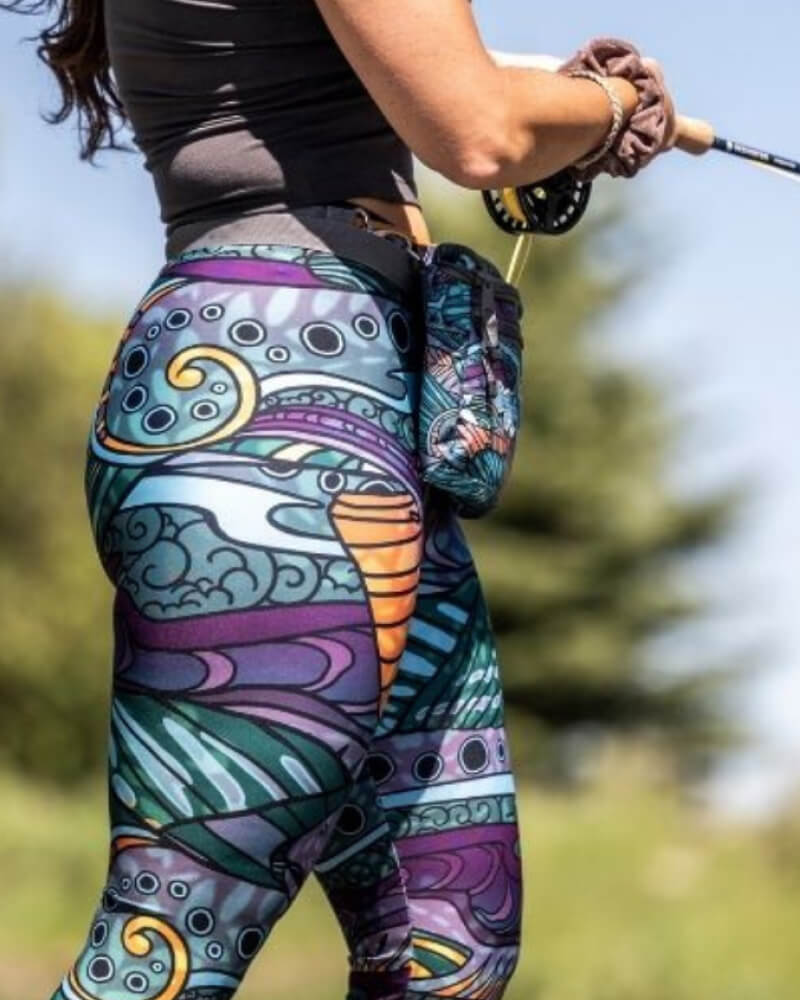
One of the earliest product goals was simple: create pieces women could wear fishing and keep wearing afterward. The first leggings were made to support wet wading, travel, hiking, skiing, running, and everyday errands.
Function came first, but confidence was part of the function. Linda compared outdoor clothing to dressing for an important business meeting. Clothing does not create your skill, but when it fits well and feels right, it can help you move without distraction and trust yourself more fully.
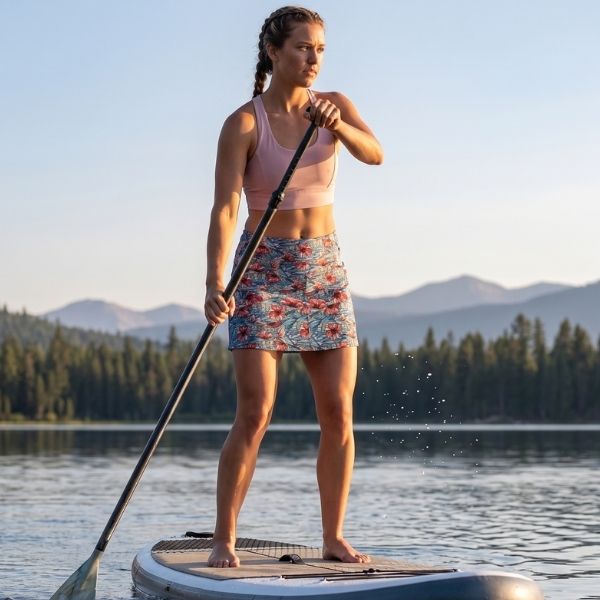
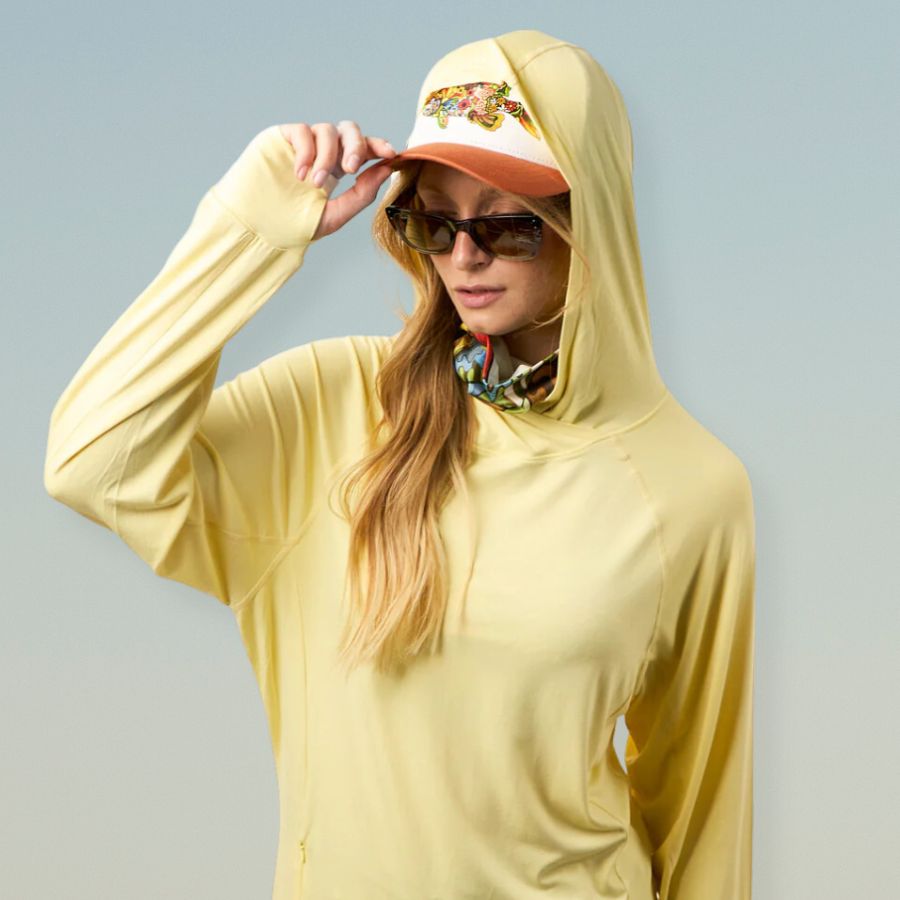
That philosophy expanded across matching neckwear, bags, totes, rod socks, tools, fly boxes, skirts, jackets, and other early products. The point was never to add color without purpose. It was to pair technical usefulness with a sense of fun.
Fishing Leggings for Women
Explore technical leggings created for movement, wet wading, layering, travel, and everyday outdoor life.
Fishing Bags and Totes
Find dry bags, backpacks, and totes designed to carry gear with dependable function and unmistakable Fishe style.
Fly Fishing Tools
Shop nippers, forceps, fly boxes, and accessories that bring thoughtful design to the details anglers use every day.
Every Pattern Begins With a Fish
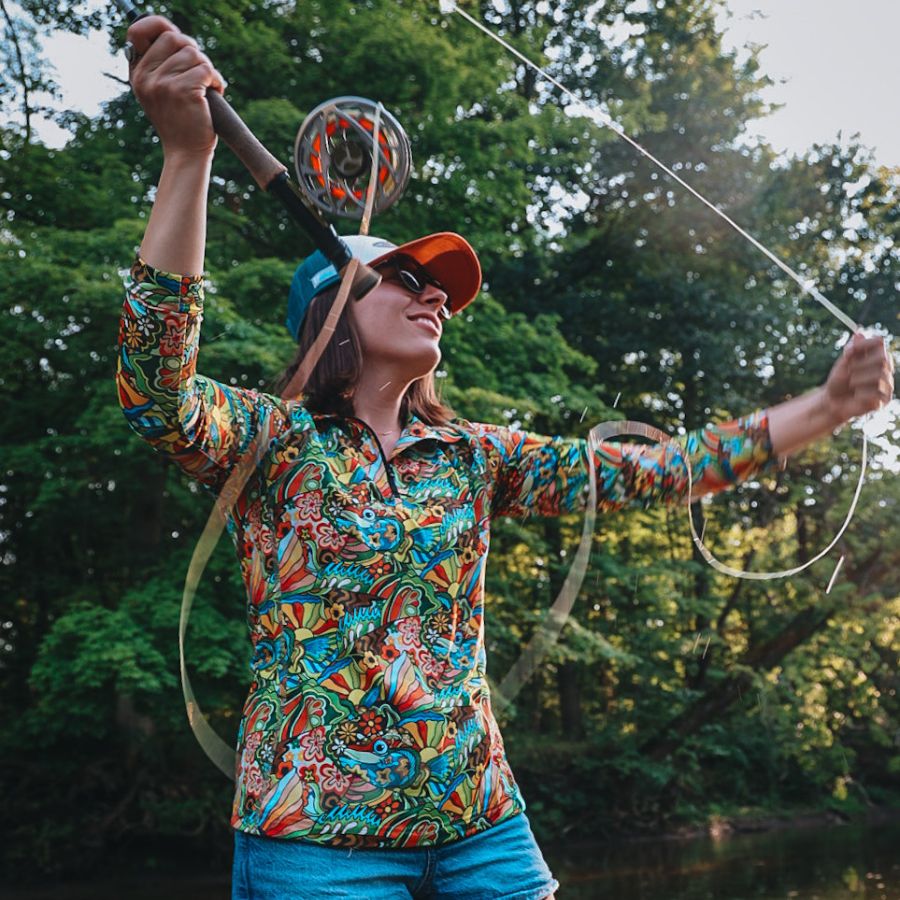
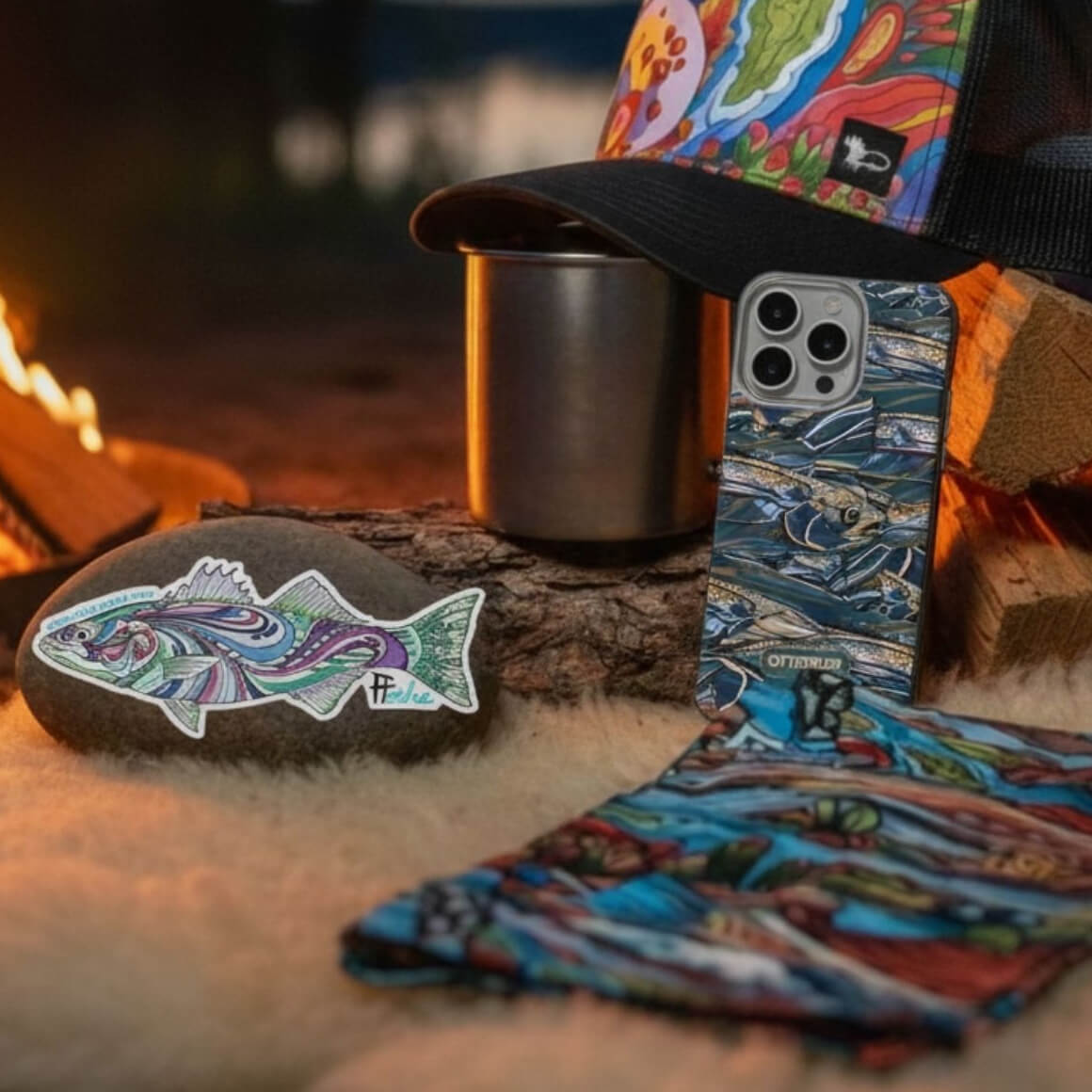
FisheWear's prints are inspired by real fish, but they are not simple repeating fish graphics. Linda and the team work with artists who begin with a species, photograph, or natural detail and interpret it creatively.
The artwork is then abstracted and arranged across a garment or bag. Linda pays close attention to placement, scale, and how the design looks when worn. The result should feel artistic from a distance and connected to the fish that inspired it when viewed more closely.
In the podcast, Linda discussed early salmon, Arctic char, grayling, rainbow trout, redfish, and brown trout designs. The names and patterns grew through collaboration with artists, employees, friends, and family.
Even the company name came from that collaborative spirit. Linda's son suggested Fishe because the word "she" could live visibly inside "fish." Friends and community members helped vote on the final choice.
Building More Than an Apparel Company
As FisheWear grew, customers began sending photographs from rivers, trails, yoga sessions, races, trips, and daily life. Linda described ambassadors, influencers, and what the team called Fishe fans, but the common thread was pride: women were excited to wear gear that did not ask them to blend in.
The brand also expanded from outfitting women to helping more women learn. Linda acquired Women's Flyfishing, an Alaska company with decades of teaching and guided-trip experience. Classes, lessons, and hosted trips gave women a supportive place to build skills and use the gear in real conditions.
FisheWear also collaborated with Orvis through its 50/50 On the Water initiative and a co-branded sling pack. These relationships helped carry the same women-first idea into a broader fly-fishing community.
Podcast Highlights: Linda in Her Own Story
What made Linda believe FisheWear could become a business?
Years of conversations with female clients and guides showed her the problem was recurring, practical, and shared. Women wanted technical gear that fit them and gave them more ways to express themselves outdoors.
How did trucking experience transfer to apparel?
Linda brought operational planning, logistics, leadership, customer service, network building, and the habit of solving complex problems. She then filled her knowledge gaps by studying manufacturing and asking experienced people for help.
Why did the early products use bold fish-inspired artwork?
The artwork made the products feel personal and joyful while remaining connected to the water. Linda wanted women to have a real alternative to generic outdoor colors or products that treated pink as the only marker of women's design.
What did customers respond to most strongly?
Women repeatedly thanked the team for making products that fit, performed, and felt fun to wear. Linda saw that comfort and self-expression could help people feel more confident trying a new sport or stepping onto the water.
The Founder Lesson Beneath the Fishing Story
FisheWear was not created because Linda knew everything about apparel. It was created because she recognized a clear problem, trusted her business instincts, learned what she did not know, and built a network around the idea.
The same approach shaped the brand's products and community: listen closely, make something useful, invite collaboration, and keep room for fun.
From icy Alaska roads to a booth at the Denver Fly Fishing Show, Linda's path was never a straight line. But each chapter gave her something the next one needed: discipline, relationships, courage, operational judgment, and years of listening to women on the water.
Frequently Asked Questions
Which podcast is this FisheWear story based on?
This article is based on Linda Leary's interview with Rob Giannino for the Fly Fishing Journeys podcast, recorded live at The Fly Fishing Show in Denver.
Is this the same as Linda's When Women Fly podcast interview?
No. The When Women Fly conversation focuses on fly fishing, focus, patience, confidence, and letting go. This Fly Fishing Journeys episode focuses primarily on Linda's trucking career, entrepreneurship, product development, and the founding of FisheWear.
What did Linda Leary do before founding FisheWear?
Linda spent nearly 30 years in trucking and transportation, including leadership at Carlisle Trucking in Alaska. The company was featured in television projects including Ice Road Truckers.
When did Linda start FisheWear?
Linda sold the trucking company in 2015 and launched FisheWear after roughly eight months of learning, planning, product development, and manufacturing work.
Why did Linda create women's fishing apparel?
She repeatedly saw women fishing in gear that was plain, poorly fitted, or designed around men's bodies. She wanted technical products created for women that also included color, art, comfort, and personality.
How are FisheWear patterns created?
The team begins with a fish or fish photograph, works with artists on an original interpretation, and then abstracts and arranges the artwork for use across apparel, bags, and accessories.
Is FisheWear clothing only for fishing?
No. Linda described customers using FisheWear for wet wading, hiking, skiing, running, yoga, travel, layering, boating, and everyday life.
How does Women's Flyfishing connect to FisheWear?
Women's Flyfishing adds classes, guided experiences, and hosted trips to FisheWear's broader mission of helping women feel comfortable, capable, and connected on the water.
Related Reading

Linda Leary on the When Women Fly Podcast
A separate conversation about presence, confidence, perfectionism, and what fly fishing teaches beyond the cast.

How FisheWear Revolutionized Women's Fishing Apparel
Explore the larger story of function, color, confidence, and community behind the Alaska-born brand.

FisheWear and Women's Flyfishing
Read how apparel, education, guided trips, and a long Alaska legacy came together under one mission.
Hear the Full Founder Story
Listen to Linda Leary and Rob Giannino discuss Alaska trucking, Ice Road Truckers, the first FisheWear products, fish-inspired art, women-first design, and the community that helped the company grow.
