


A practical fishing-trip checklist
Pack for the Water, Not the Sporting-Goods Aisle
A good fishing day rarely falls apart because you forgot the fanciest lure in the shop. It usually unravels because the weather shifted or comfort disappeared, your phone had nowhere safe to go, or the one small tool you needed was sitting on the kitchen counter.
This guide answers two questions that often arrive together: what to bring on a fishing trip and how to make a first fishing day feel manageable. The goal is to stay safe, comfortable, organized, and ready to learn without carrying half the garage to the water.
Quick Takeaways
- Start with accessible water, current rules, the fishing style, weather, and length of the trip.
- For a first outing, borrow, rent, or use guide-supplied equipment before buying a full setup.
- Ask your guide or charter exactly what equipment is included before buying or packing duplicates.
- Bring a simple, matched rod-and-tackle setup rather than an oversized box of “just in case” gear.
- Prioritize a license, water, weather protection, safe footwear, essential tools, and dry storage.
- Pack personal comfort items for your body and your day—not someone else’s generic checklist.
- Leave behind gear that adds weight without solving a likely problem.
- Keep a first outing short enough to finish with energy and curiosity for the next one.
In This Guide
Built From Real Days on the Water
Fishe grew from a familiar problem: women were adapting to fishing clothing and gear that had not been designed around how they actually moved, layered, traveled, and spent long days outside. That experience shapes this checklist.
We are not here to convince you that your first trip requires an expert-level gear room. We are here to help you identify the pieces that make a meaningful difference—then get you onto the water with fewer distractions.
What First-Time Anglers Actually Want From the Day
The 2026 Special Report on Fishing found that first-time anglers were looking for more than a catch. Their leading expectations were relaxation, trying something new, time outdoors, and connection with family or friends.
58% wanted to relax
A calm, manageable plan can matter more than squeezing every possible technique into one day.
54% wanted something new
Learning one cast, one knot, or one piece of water can make a first trip feel worthwhile.
50% wanted connection
Fishing with a patient friend, guide, or small group can make questions easier to ask.
The report also found that information about nearby fishing locations was the resource anglers wanted most. Start with a suitable place, not a shopping list.
Our broader look at what the 2026 fishing report reveals about women anglers explains why a welcoming first experience matters for long-term participation.
Before You Pack, Answer Four Questions
The best fishing gear checklist begins before you open a bag. A list for a two-hour bank-fishing trip should not look like a list for a full day of wading, a saltwater charter, or a remote float.
1. Where will you be fishing?
Bank, dock, drift boat, skiff, kayak, and moving water all create different needs. For a first trip, look beyond the fish: confirm safe shoreline access, parking, restrooms, shade, cell coverage, the open season, and current local rules.
Use the official fish and wildlife agency for the state or region as the final authority. The United States Fish & Wildlife Service first-time fishing guide is a helpful national starting point, but regulations and access details remain local.
2. What kind of fishing are you doing?
Freshwater spin fishing, fly fishing, saltwater fishing, and guided trips use different rod systems, tackle, tools, and clothing. Pack for the method you will actually use rather than every method you might someday try.
3. Are you going independently or with a guide?
A guide may provide rods, reels, flies, tackle, a net, a personal flotation device, food, or even rain gear. Confirming what is included can save money and dramatically reduce the amount you carry.
For a first outing, borrowing, renting, or using supplied equipment can be smarter than purchasing everything in advance. Local advice matters more than a generic catalog because the water, species, and method determine the setup.
4. What will the conditions do?
Check the forecast, but also plan for the edges around it: a colder launch, wind on open water, reflected sun, a sudden shower, or a longer walk back than expected. Marine conditions can change quickly, so check the latest forecast and warnings before leaving shore through the National Weather Service.
The Essential Fishing Trip Checklist
Think in three levels: what you must have, what strongly improves the day, and what depends on the trip. This keeps the checklist useful without turning it into a shopping spree.
Must bring
- Fishing license or permit: confirm local requirements and keep a digital or printed copy available.
- A matched rod, reel, line, and tackle setup: bring one reliable system suited to the water and target species.
- A small selection of bait, flies, or lures: choose proven options rather than filling a giant box.
- Essential tools: line cutters or nippers plus pliers, forceps, or hemostats for hook handling.
- Water: pack more than you expect to drink, especially for exposed, warm, or high-effort days.
- Sun and weather protection: long sleeves, a hat, polarized sunglasses, sunscreen, and a layer for wind or rain.
- Safe footwear: choose traction and coverage for the bank, boat deck, trail, or riverbed.
- A properly fitted life jacket when boating: wear an appropriate U.S. Coast Guard-approved personal flotation device rather than storing it out of reach.
- Phone and emergency information: protect the phone from water and make sure someone knows your general plan.
Strongly recommended
- A small landing net appropriate for the fish and fishing style.
- Dry storage for your phone, keys, wallet, spare clothing, and food.
- A compact first-aid kit with blister care.
- Bug protection suited to the season and location.
- Easy-to-eat food and snacks.
- An insulating or weatherproof layer, even when the forecast looks mild.
- A hand towel or small absorbent cloth.
- A headlamp when there is any chance the trip could run toward dusk.
- A portable phone battery for long or remote days.
Trip-dependent gear
- Waders, a wading belt, and wading boots.
- Leader, tippet, spare line, or species-specific terminal tackle.
- A cooler or approved catch-storage system.
- A fish ruler or measuring board.
- Motion-sickness prevention for open-water trips.
- Gloves, hand warmers, or extra socks for cold weather.
- A wading staff for uncertain footing.
- Corrosion-resistant tools for saltwater.
A small tool that earns its place
A compact pair of forceps is one of the most useful tools in a fishing bag. Choose a pair you can operate confidently with wet or cold hands.

Dry Storage Is More Than a Nice Extra
Keys, medication, a phone, a dry layer, and lunch are not helpful when they are soaked. Separate items that must stay dry from gear that can get wet, and avoid putting every important item in one unprotected pocket.
A roll-top tote or dry bag is especially useful when you are moving between a vehicle, dock, boat, and shoreline. Match the bag to the conditions: splash-resistant storage is useful for everyday organization, while submersion risk calls for genuinely waterproof storage.

What a Guide or Charter May Already Provide
Before buying gear, ask for the operator’s packing list. The answer can change the entire shape of your bag.
Fishing equipment
Rod, reel, line, leaders, flies, bait, lures, net, and species-specific tools may be included.
Safety equipment
Life jackets, emergency communication, first-aid supplies, and boat safety equipment are often supplied, but confirm fit and availability.
Food and comfort
Some trips include water, lunch, snacks, rain gear, or a cooler. Others expect you to bring every personal item.
Licenses and permits
Never assume these are included. Ask which license you need, where to buy it, and whether special stamps or permits apply.
Ask one more question: “What do guests most often forget?” A working guide knows which missing item repeatedly makes a day harder.
Choose a teacher who explains without showing off. A beginner should be able to ask why, repeat a movement, and say when something feels uncomfortable or unclear. A short class or women-centered guided day can provide both instruction and a built-in learning group.

What to Wear Without Overpacking
Your clothing should solve the conditions without fighting your movement. Start with breathable sun protection and quick-drying bottoms, then add only the layers the weather demands.
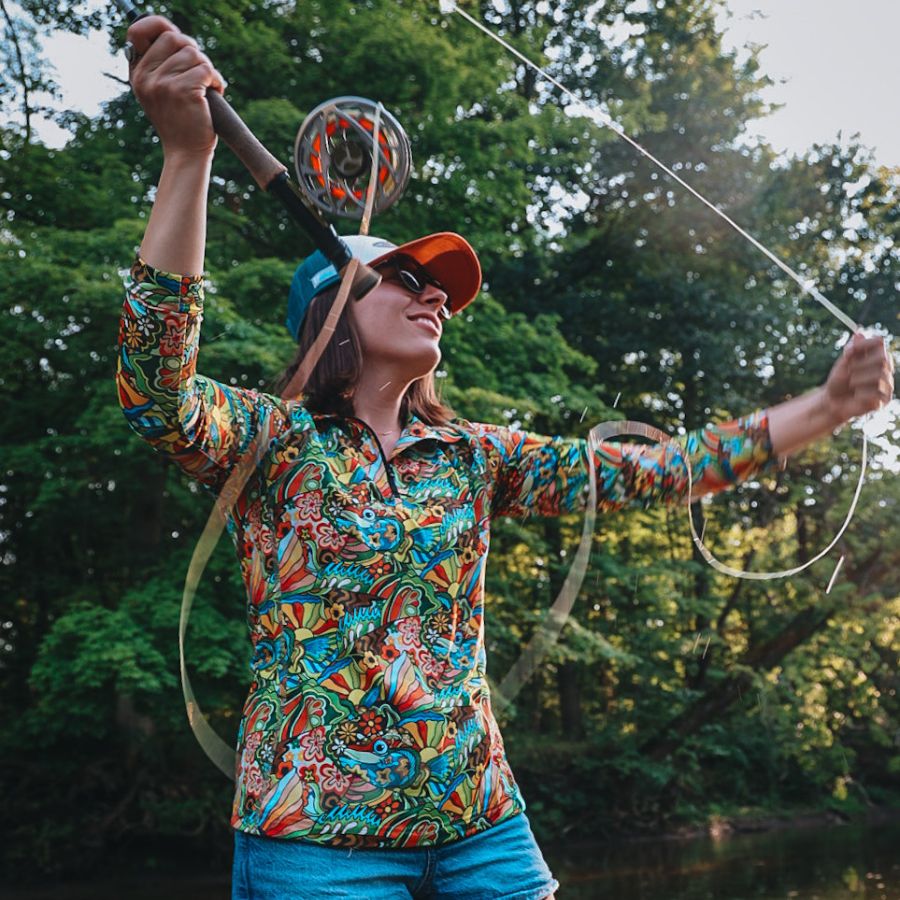
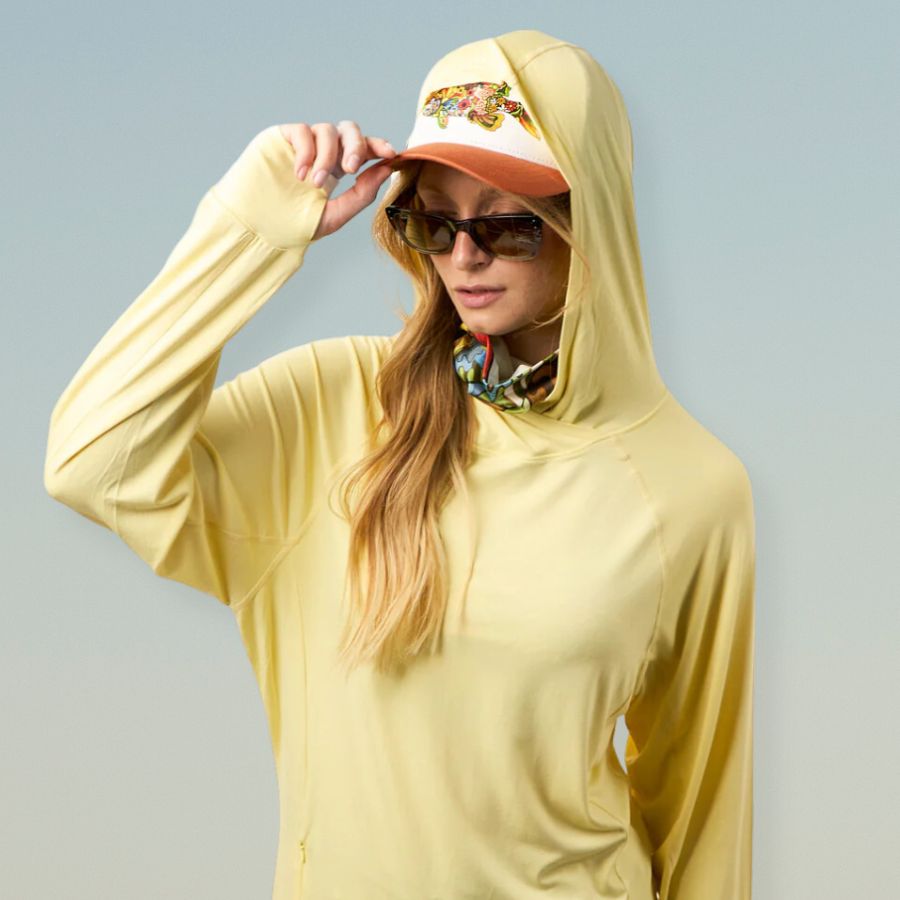
- A breathable long-sleeve fishing shirt or sun hoodie.
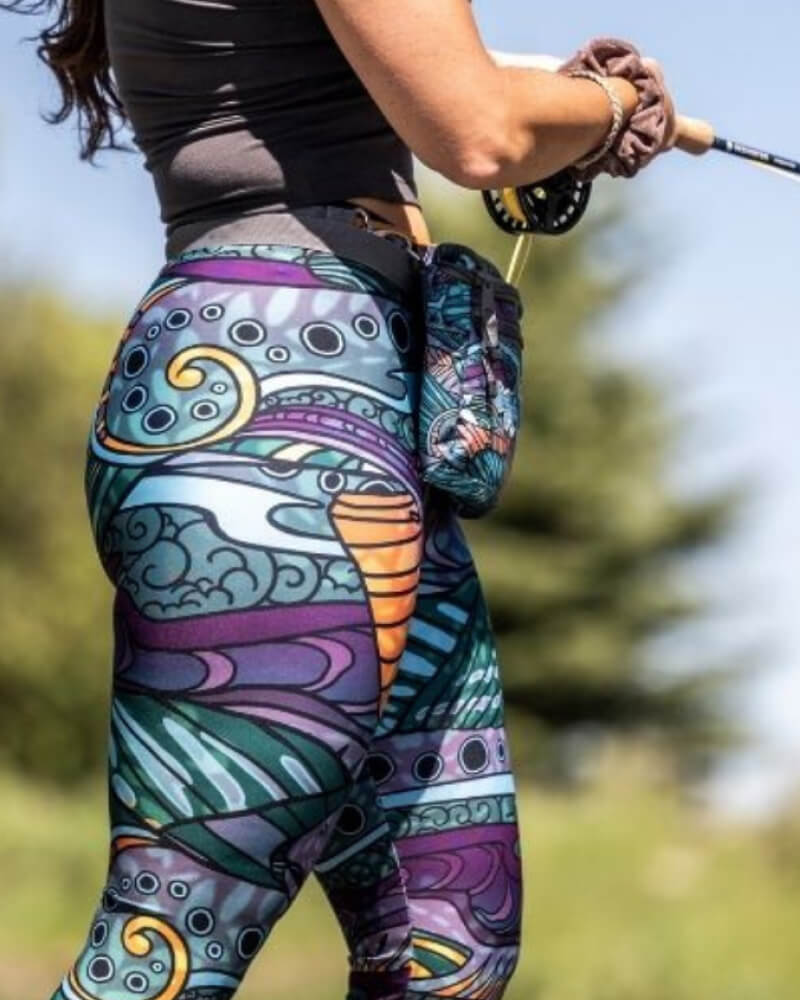
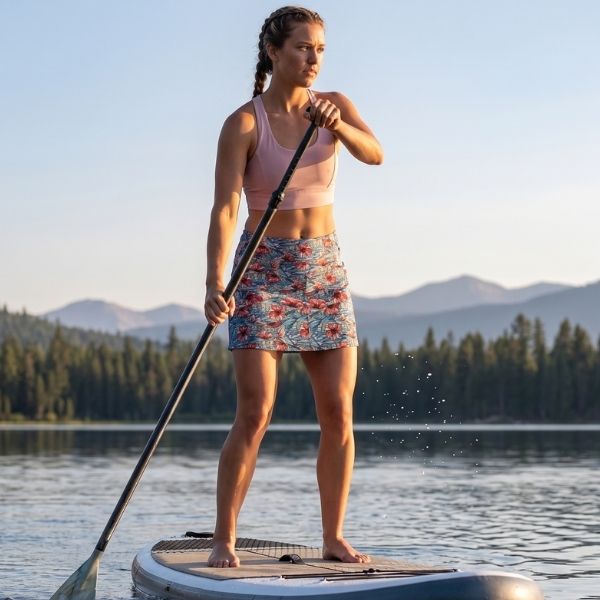
- Quick-drying leggings, pants, shorts, or a skort suited to the trip.
- A warm mid layer for cold launches and changing temperatures.
- A rain or wind shell when exposure is likely.
- A brimmed hat, polarized sunglasses, and sunscreen.
- Footwear with the right traction for the boat, bank, trail, or riverbed.
- Smooth, low-bulk layers under waders.
For a complete clothing system, read our guide to women’s fishing clothing that works on the water.
The Personal Items Generic Checklists Forget
A useful women’s fishing checklist should make room for real bodies and real days without assuming every woman needs the same things.
- Prescription and emergency medication.
- Period products, hygiene wipes, and a sealable disposal bag.
- Hair ties, clips, or a headband that stays secure in wind.
- Blister protection and anti-chafe care.
- An extra supportive or dry base layer.
- Hand warmers or sun gloves when conditions call for them.
- A bathroom plan for long boat rides, remote wading, or areas without facilities.
None of these items is universal. The point is to pack for your comfort and your body, not to copy a list written for an imaginary average angler.
Fishing Checklist by Fishing Style
Freshwater bank or dock fishing
Bring a simple rod setup, a compact tackle selection, forceps or pliers, water, sun protection, stable footwear, and portable storage. A small seat or cushion can help during a longer stationary session.
Fly fishing and wading
Add leaders, tippet, a fly box, nippers, forceps, a net, waders or wet-wading footwear, and a properly worn wading belt. Consider a staff when the bottom or current is uncertain.
Boat or charter fishing
Prioritize non-slip footwear, secure dry storage, sun and wind protection, motion-sickness planning, and confirmation of what the captain supplies. Keep loose personal gear contained.
Saltwater fishing
Bring corrosion-resistant tools, stronger sun protection, reliable hydration, secure storage, and tackle suited to the species. Rinse salt-exposed equipment with fresh water after the trip.
What Beginners Can Confidently Skip
Beginning anglers are often sold complexity before they have enough experience to know what they enjoy. More gear can create more decisions without creating a better day.
- An enormous tackle box full of unfamiliar options.
- Several specialized rods for one first trip.
- Dozens of nearly identical lures or flies.
- Every gadget recommended on social media.
- Duplicate equipment already supplied by a guide.
- Expensive technical clothing that does not solve the conditions you expect.
- Catch-storage equipment when practicing catch-and-release or when the charter supplies it.
Start simple, notice what you miss, and add deliberately. Your second and third trips will teach you more about useful gear than a crowded shopping cart ever could.
Keep the First Trip Simple Enough to Enjoy
More than eight in ten recent fishing trips in the 2026 report were spontaneous or planned less than a week ahead. A first fishing trip does not need months of coordination, but a short plan still needs the essentials confirmed.
- The water is open, legal to fish, and safely accessible.
- The weather and wind are reasonable for the location.
- The license and current rules are handled.
- The rod, tackle, and clothing fit the fishing method.
- Someone knows where you are going and when you expect to return.
Keep the first outing short enough to end well. Two enjoyable hours can build more enthusiasm than an exhausting full day that leaves a new angler cold, hungry, or overwhelmed.
Decide What Success Means Before You Cast
Not catching fish does not erase a useful day. The possibility of a catch is part of the excitement, but it should not be the only outcome a beginner can count as worthwhile.
Learn one useful skill
Make a cast that lands closer to the target, tie one knot, or handle the rod more confidently.
Notice the water
Identify current, structure, shade, depth changes, or another feature that may hold fish.
Leave the place better
Pack out line and trash, protect the shoreline, and make responsible habits part of the first day.
A successful first fishing trip is one that makes you curious about the next one.
Make the Safety Plan Part of the Checklist
Safety gear only works when it is accessible and used. Wear the life jacket on the boat, keep first aid where you can reach it, and protect emergency communication from water.
Share the trip plan before leaving. Tell someone where you are going, who you are with, your launch or access point, and when you expect to return. For boating trips, leave enough information that someone can recognize a delay and direct help to the right place.
Check current weather, water, fire, access, and fishing regulations. Conditions and rules change; an old screenshot or last season’s experience is not a dependable plan.
The Night-Before Check
- License downloaded, printed, or otherwise accessible.
- Weather, wind, water, and access conditions checked.
- Guide, launch, parking, or meeting point confirmed.
- Rod and reel assembled or inspected.
- Hooks and sharp tools secured.
- Phone and portable battery charged.
- Water, food, and medication packed.
- Dry layer and weather shell included.
- Keys, wallet, and phone placed in protected storage.
- A trusted person has the trip plan and return time.
Printable Fishing Trip Checklist
Use this condensed version while packing. Cross out anything your guide supplies and add trip-specific items at the bottom.
Fishing setup
- License and regulations
- Rod and reel
- Line, leader, or tippet
- Small tackle or fly selection
- Forceps or pliers
- Nippers or line cutters
- Net if needed
Clothing
- Sun shirt or hoodie
- Quick-drying bottoms
- Hat and polarized sunglasses
- Weather shell
- Warm layer
- Suitable footwear
- Waders, belt, and boots if needed
Safety and comfort
- Life jacket when boating
- Water and food
- First-aid kit
- Sunscreen and bug protection
- Medication
- Phone and battery
- Headlamp
- Personal comfort items
Storage and logistics
- Dry bag or waterproof pouch
- Keys and wallet protected
- Meeting point confirmed
- Forecast checked
- Trip plan shared
- Extra dry layer
- Trash or disposal bag
Frequently Asked Questions
What fishing gear does a beginner actually need?
A beginner needs a license when required, one matched rod-and-reel setup, suitable line and tackle, a few appropriate lures or flies, pliers or forceps, line cutters, water, sun protection, and safe footwear. Add trip-specific equipment only after you know the water and fishing method.
What should I bring on my first fishing trip?
Bring the essential fishing setup, current license, water, food, weather layers, sun protection, a small first-aid kit, phone protection, and dry storage. Ask an experienced angler or guide what tackle works locally so you do not overpack.
Do fishing guides provide rods and tackle?
Many guides provide rods, reels, flies or lures, nets, and safety equipment, but inclusions vary. Request a written packing list and ask specifically about licenses, waders, rain gear, food, water, and personal flotation devices.
What should a woman wear fishing?
Wear breathable sun protection, quick-drying bottoms, a hat, polarized sunglasses, and footwear suited to the surface. Add a warm layer and weather shell as conditions require, and choose smooth low-bulk layers when wearing waders.
What should I bring on a fishing charter?
Confirm what the captain supplies, then bring sun and wind protection, non-slip footwear, water if it is not included, medication, motion-sickness support, and protected storage for valuables. Keep your personal bag compact and secure.
Do I need a fishing license?
License requirements depend on the location, age, species, water, and trip type. Check the current fish and wildlife rules for the jurisdiction where you will fish rather than relying on an old checklist or another angler’s experience.
What should I keep in a fishing dry bag?
Protect your phone, keys, wallet, medication, dry layer, food, and any emergency items that must remain usable. Separate wet tools or clothing from items that need to stay dry.
What fishing gear can beginners skip?
Skip oversized tackle collections, multiple specialty rods, duplicate guide equipment, and gadgets that do not solve a known need. Start with a reliable basic system and add gear as your fishing style becomes clearer.
What safety gear should I bring fishing?
Bring a correctly fitted life jacket when boating, a first-aid kit, water, sun and weather protection, a charged phone, and emergency information. Tell someone where you are going and when you expect to return.
How do I keep my phone and valuables dry?
Place them in a sealed waterproof pouch or suitable dry-storage system before approaching the water. Do not rely on an ordinary clothing pocket, and keep the container secured to the boat, pack, or your body.
How long should a first fishing trip be?
A few hours is often enough to learn basic skills without becoming tired or overwhelmed. Choose a length that fits the weather, location, group, and available facilities, then finish while the day still feels positive.
What if I do not catch a fish?
Not catching does not make the trip a failure. Focus on learning the equipment, improving a cast, reading the water, spending time outside, and identifying one thing that will make the next outing easier.
Sources
- 2026 Special Report on Fishing — first-timer motivations, planning patterns, desired resources, and participation barriers.
- A Guide to Fishing for the First Time — U.S. Fish & Wildlife Service beginner equipment, safety, and responsible fishing guidance.
- National Weather Service Marine Safety — current marine forecast and warning guidance for boating trips.
Conclusion: Pack With Purpose
The best fishing checklist is not the longest one. It is the list that reflects the water, weather, method, and person who is actually going.
Bring the equipment that lets you fish safely and confidently. Protect yourself from sun and changing conditions, and give important personal items a dry, reachable place.
Then leave enough space—in your bag and in your head—to notice the current, watch the light change, and enjoy being there.
Related Reading

5 Underrated Saltwater Fly Fishing Essentials
Five easy-to-miss additions that can make a saltwater fishing day more comfortable and prepared.
Women’s Fishing Clothing That Actually Works
Build a comfortable clothing system for sun, wind, rain, waders, and changing temperatures.

How to Choose a Fly Rod for Women
Choose a fly rod by water, species, line weight, balance, and casting comfort—not by labels.
